Craws
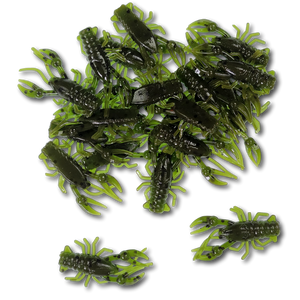
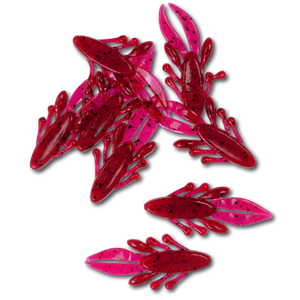
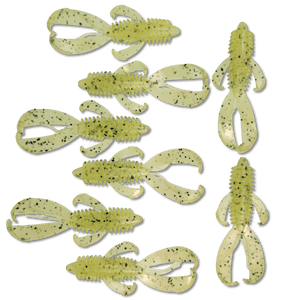
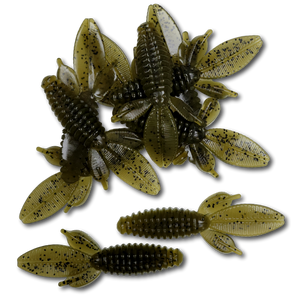
Craws (crayfish-style baits) are one of the most reliable forage profiles in freshwater. They live on the bottom, move in short bursts, and trigger bites year-round — especially when fish are relating to rock, hard bottom, or shallow cover.Best forBass (largemouth & smallmouth), walleye, and perch.Core ideaBottom contact, short moves, and defensive posture.Where it shinesRock, gravel, docks, laydowns, weed edges, and hard-bottom transitions.Confidence moveSlow down and let the claws do the talking.
Craw rule: Most bites happen when the bait stops moving — not when it’s hopping.
Field guide: craws
Bottom contact. Defense. Pauses.▾ Click to open
Field guide: craws
Bottom contact. Defense. Pauses.
Why craws get bit
They look like easy, familiar prey.
- Crawfish are present in most bass and walleye waters.
- The defensive posture triggers reaction and feeding strikes.
- Bottom-oriented fish recognize the profile instantly.
Best rigs
Match the cover and depth.
- Jig trailer: the classic — especially around rock and docks.
- Texas rig: when you need weedless and slow.
- Carolina rig: excellent for dragging across flats and transitions.
- Small jig head: finesse approach for pressured fish.
Cadence that works
Less movement, more pauses.
- Drag–pause: short drags followed by full stops.
- Hop–stall: small hops, then let it sit.
- Shake in place: make claws move without traveling.
Seasonal notes
When craws shine brightest.
- Spring: shallow rock, docks, and spawning areas.
- Summer: deeper rock, ledges, and shade.
- Fall: aggressive bites on faster hops.
- Winter: finesse craws dragged slowly.
Color & profile
Natural first, contrast second.
- Clear water: natural browns, greens, subtle flake.
- Stained: darker or higher-contrast profiles.
- Rule: match the local craw color before experimenting.
Craw FAQ
Quick fixes for common problems.
- No bites? Slow down and shorten hops.
- Snagging? Reduce hop height or switch to a Texas rig.
- Short strikes? Downsize the craw or extend pauses.