This is placeholder text for Jiggin’ Johnson’s new template shell.
Once we’re happy with the layout and behavior, we’ll plug in real product
descriptions, rigging tips, and JJ-specific language.
Specs & build (demo copy)
Specs & build (demo copy)
Care & storage (demo copy)
Care & storage (demo copy)
Best ways to fish it (demo)
Swim Jig TrailerShallow grass, slow roll
Texas RigPitching to cover
Ball Jig HeadDragging sand or rock
Split ShotNatural subtle glides
Description
Length
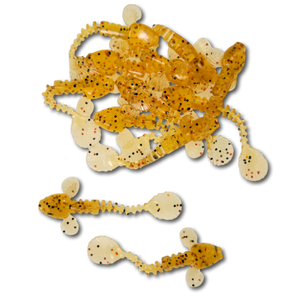
3.0" curly-tail grub with a ribbed body and an easy-start tail that works on slow speeds.
Best for
Walleye, smallmouth, largemouth, crappie, and perch when you want steady action without a big profile.
Style
A “chub-and-grub” look: subtle body roll plus a curl tail that keeps pulsing through the whole retrieve.
Where it shines
Rock and gravel edges, weedline turns, current seams, and bottom transitions where fish feed tight but still chase.
Grub rule: the best retrieve is the one that keeps the tail working. If you don’t feel a pulse, slow down, lighten up, and let it breathe.
Top 3 ways we fish it
Straightforward rigs that stay effective year-round.
Jig & Swim
Cast, count it down, and swim it just off bottom like a cruising baitfish.
Rig on a light ball head and thread it perfectly straight so it tracks true.
Use a slow, steady retrieve with short “kills” so it drops and restarts.
Let it tick rock or graze grass tops—contact is the trigger.
Bottom Hop & Drag
Keep it in the zone when fish are nosed down and feeding close.
Make long casts to points, breaks, or flats and let it settle to bottom.
Move it with short hops, then drag a foot or two and pause.
Watch for “weight” on the pause—many bites feel like the bait just stops.
Current-Seam Swing
Use moving water to load the tail while you guide it through the lane.
Cast slightly up-current and let it sink until you feel light tension.
Track the seam with the rod tip so it swings naturally without dragging hard.
When it reaches softer water, stall it—strikes often happen on the hang.
Pour & profile: Ribbed body with a curl tail built to start easy and keep pulsing—made for steady retrieves, hops, and bottom contact.
Made for: Edges, seams, and hard-bottom transitions—when you want movement and vibration without stepping up to a big swimbait.