This is placeholder text for Jiggin’ Johnson’s new template shell.
Once we’re happy with the layout and behavior, we’ll plug in real product
descriptions, rigging tips, and JJ-specific language.
Specs & build (demo copy)
Specs & build (demo copy)
Care & storage (demo copy)
Care & storage (demo copy)
Best ways to fish it (demo)
Swim Jig TrailerShallow grass, slow roll
Texas RigPitching to cover
Ball Jig HeadDragging sand or rock
Split ShotNatural subtle glides
Description
Length
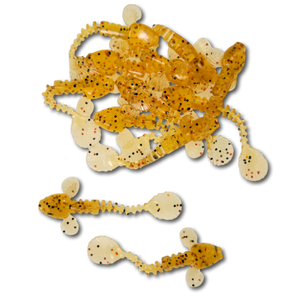
3.0" ribbed paddle-tail swimbait with a compact “bite size” baitfish profile.
Best for
Walleye, smallmouth, and largemouth when you want a swimbait that fishes clean but still gets noticed.
Style
Quick-start tail with a steady thump—ribs add water movement without needing a fast retrieve.
Where it shines
Weed edges, shallow flats, rock transitions, and current seams—anywhere fish are hunting small baitfish.
Ripswim rule: if you can feel the tail, you’re doing it right. Keep it just ticking cover or just off bottom and let that steady pulse call fish in.
Top 3 ways we fish it
Three simple approaches that cover a lot of water.
Jig & Glide
Cast, count it down, and keep it tracking in the strike lane.
Rig on a light ball head and thread it straight so the tail runs true.
Swim it slow, then “kill” it for a second so it drops and re-starts.
Let it tick rock or grass occasionally—contact makes it look alive.
Bottom-Stroll & Lift
Slow-roll it like a minnow that can’t help but bump bottom.
Keep the rod low and crawl it until you feel bottom, then lift a foot.
On the lift, the tail flutters; on the fall, the ribs keep it breathing.
When you hit a hard spot or rock, pause—strikes often happen right there.
Current-Seam Swing
Use moving water: your job is holding the right tension.
Cast slightly up-current and let it pendulum through the seam.
Maintain light pressure so the tail keeps pulsing as it swings.
At the end of the drift, pause it and let it hover—fish often crack it on the stall.
Pour & profile: Compact swimbait body with ribs for extra movement and a paddle tail that starts quickly and stays consistent.
Made for: Swimming, strolling, and swinging—when you want a clean baitfish look that still pushes enough water to get found.