This is placeholder text for Jiggin’ Johnson’s new template shell.
Once we’re happy with the layout and behavior, we’ll plug in real product
descriptions, rigging tips, and JJ-specific language.
Specs & build (demo copy)
Specs & build (demo copy)
Care & storage (demo copy)
Care & storage (demo copy)
Best ways to fish it (demo)
Swim Jig TrailerShallow grass, slow roll
Texas RigPitching to cover
Ball Jig HeadDragging sand or rock
Split ShotNatural subtle glides
Description
Length
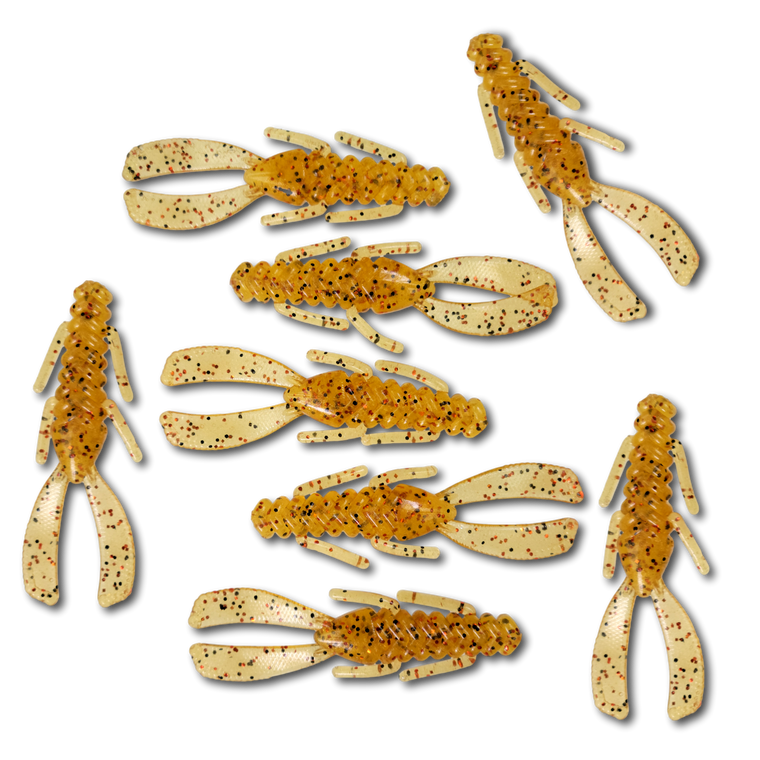
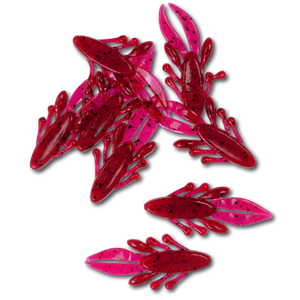
3.5" compact creature with a ribbed body, two thin side legs, and twin flap tails that “breathe” on the pause.
Best for
Smallmouth and walleye that live on rock and transitions, plus bonus panfish when you downsize head weight and slow it down.
Style
High-signal in tight quarters: the tails kick on short moves, then settle and keep working without forward travel.
Where it shines
Riprap, chunk rock, scattered boulders, and outside weed edges—especially where fish pin forage tight to bottom.
Bug rule: if you’re snagging, you’re fishing it right—just shorten the hop and let it glide back down on semi-slack so it lands soft.
Top 3 ways we fish it
Control the fall, then let the bait do the talking.
Finesse Jig Trailer
When you want a smaller meal that still has “hands and feet.”
Thread it straight so the flap tails track behind the skirt instead of fouling.
Crawl it through rock with the rod, not the reel—think inches, not feet.
On bites that feel like weight, stop moving and let the fish load up.
Texas Rig, Light & Quiet
A snag-resistant way to live in cover without giving up action.
Use a small bullet and peg only if you need to punch through thicker grass.
Pop it once to free it, then let it settle—most bites happen after the “clean-up.”
Work it through laydowns and weed clumps with short lifts and long pauses.
Drag-Stroll on a Jighead
Cover edges efficiently while keeping it in the strike zone.
Rig on a compact ball head and keep your line angle shallow for bottom feel.
Drag, pause, then give a tiny shake—just enough to flare the tails.
When you hit a harder spot, slow down; transitions are where it gets bit.
Pour & profile: Ribbed body with slim side legs and twin flap tails—built to move on micro-hops and keep “breathing” when you stop it.
Made for: Bottom contact on rock and edges—when you need a creature profile that stays compact but still shows life in cold fronts and pressure.