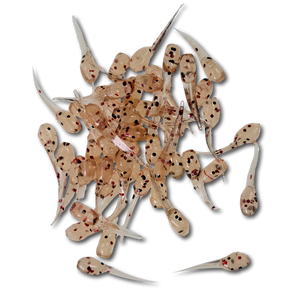
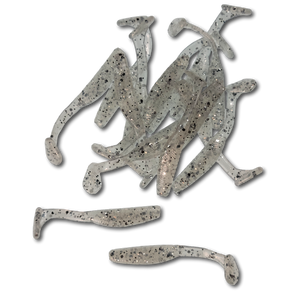
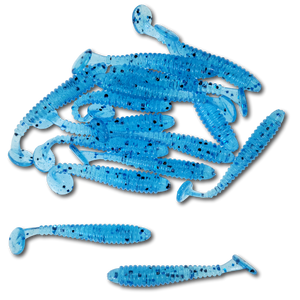
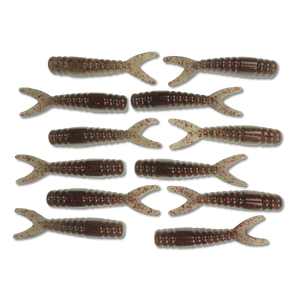
Shad & minnows
Shad and minnow profiles represent the most common open-water forage in freshwater. These baits excel when fish are keyed on baitfish and looking for a clean, forward-moving meal that tracks naturally through the water column.Best forBass, walleye, crappie, pike, and other predators.Core ideaNatural tracking and baitfish silhouette.Where it shinesOpen water, edges, suspended fish, and current.Confidence moveMatch the hatch before changing speed.
Baitfish rule: When fish are chasing, let the profile do the convincing.
Field guide: shad & minnows
Track. Imitate. Commit.▾ Click to open
Field guide: shad & minnows
Track. Imitate. Commit.
Why baitfish profiles work
They match how fish feed in open water.
- Predators are conditioned to chase and intercept baitfish.
- Slim bodies track cleanly at a wide range of speeds.
- Effective when fish are suspended or roaming.
Best rigs
Match depth and control.
- Jig head: straight retrieve or slow roll.
- Drop shot: suspend at exact depth.
- Weighted swimbait hook: weedless and shallow.
- Ice jig: subtle darting under the ice.
Retrieve & cadence
Let it swim.
- Steady swim: keep it tracking naturally.
- Lift–glide: mimic injured baitfish.
- Pause: triggers followers to strike.
Body style differences
Small tweaks matter.
- Shad-style: wider body, more flash.
- Minnow-style: slimmer, subtle movement.
- Rule: match body shape to local forage.
Color & clarity
Keep it believable.
- Clear water: translucent, natural tones.
- Stained: brighter or higher-contrast colors.
- Rule: profile and action matter more than flash.
Shad & minnow FAQ
Dialing in the bite.
- Fish following? Add a pause or slight speed change.
- No bites? Downsize before changing colors.
- Missing strikes? Check hook alignment and rigging.