Trailers
Trailers fine-tune how a moving bait looks, feels, and tracks through the water. Whether you want more lift, more thump, or a subtler profile, the right trailer can completely change how a jig, bladed jig, spinnerbait, or buzzbait gets bit.Best forBass, walleye, and multi-species moving-bait applications.Core ideaControl action, bulk, and fall rate.Where it shinesJigs, bladed jigs, spinnerbaits, buzzbaits, and swim jigs.Confidence moveChange the trailer before you change the bait.
Trailer truth: A small change in trailer can create a completely different bite.
Field guide: trailers
Action. Balance. Control.▾ Click to open
Field guide: trailers
Action. Balance. Control.
What trailers actually do
More than just added bulk.
- Control lift and how fast a bait rises or falls.
- Change vibration and water displacement.
- Influence tracking and stability at different speeds.
Choosing the right profile
Match action to conditions.
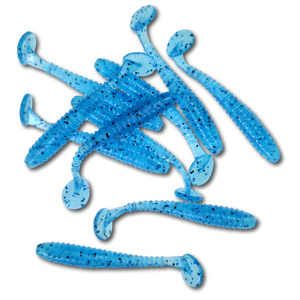
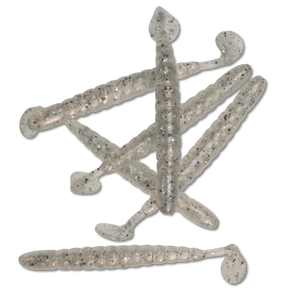
- Swimbait-style: steady tail kick for swimming presentations.
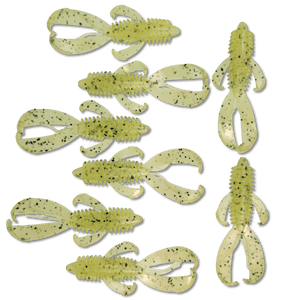
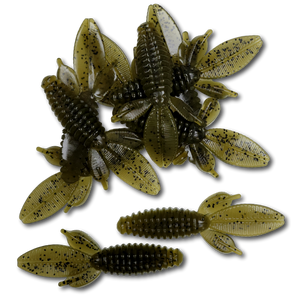
- Chunk / craw: controlled fall and compact bulk.
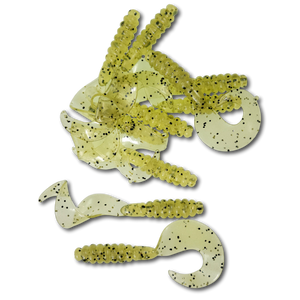
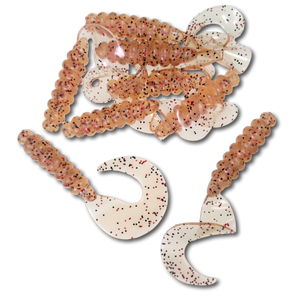
- Grub-style: added thump at slower speeds.
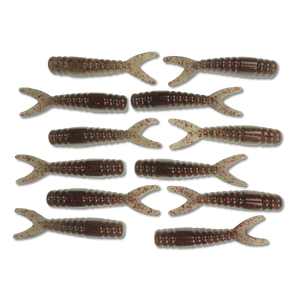
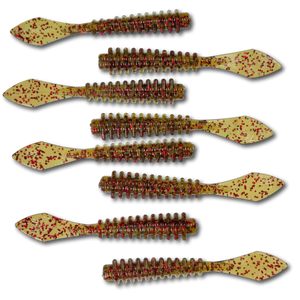
- Split-tail: subtle action when fish are pressured.
Trailer sizing & trim
Dialing it in.
- Shorten trailers to reduce lift and speed up fall.
- Upsize to slow the bait down or increase presence.
- Trim appendages for pressured fish or cold water.
When to swap trailers
In-the-moment adjustments.
- Fish following but not committing.
- Need to change fall rate without changing weight.
- Adjusting for water temperature or clarity.
Color & matching
Blend or contrast.
- Match: keep trailer color close to skirt color.
- Contrast: add a different tone to create a focal point.
- Rule: subtle contrast often outperforms drastic changes.
Trailer FAQ
Quick fixes.
- Bait rolling? Downsize or trim the trailer.
- Too much lift? Shorten or switch profiles.
- No bites? Swap trailers before changing locations.