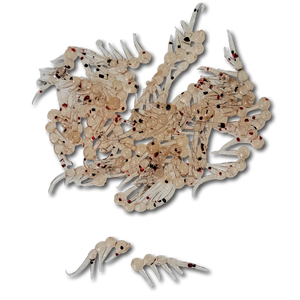
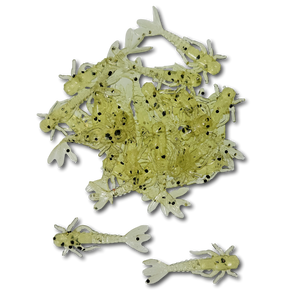
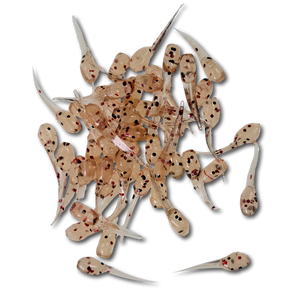
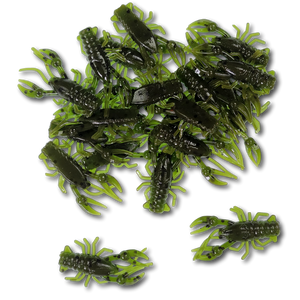
Trout
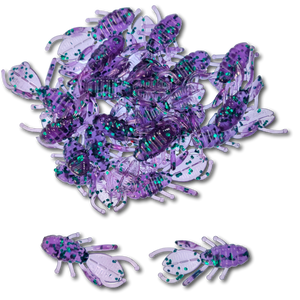
Trout reward realism. Small forage profiles, clean drifts, and subtle movement consistently outproduce noisy or oversized presentations. This category is built for stream, river, and lake trout — with plenty of crossover for panfish and smallmouth when conditions call for finesse.Best forRainbow, brown, brook trout — plus panfish and smallmouth crossover.Core ideaNatural drift, controlled depth, and believable forage size.Where it shinesCurrent seams, riffle tails, pools, shorelines, and drop-offs.Confidence moveSlow the presentation before you change location.
Trout truth: If your bait looks like it’s fighting the current, trout usually won’t forgive it.
Field guide: trout
Drift. Depth. Realism.▾ Click to open
Field guide: trout
Drift. Depth. Realism.
Reading trout water
Where trout set up to feed efficiently.
- Trout hold where current delivers food with minimal effort.
- Seams, soft edges, and depth changes outproduce straight runs.
- In lakes, focus on shorelines, points, and forage transitions.
Presentation & drift
Make it look effortless.
- Let the bait travel with the current — not against it.
- Keep slack controlled so the bait can glide naturally.
- If fish follow but don’t eat, reduce movement and extend drift time.
Best rigs
Simple, light, and precise.
- Light jig head: swim, pendulum, or drift through seams.
- Drop-shot / tag rig: precise depth control in slower water.
- Micro drag: subtle contact in lakes and tail-outs.
Cadence & triggers
Less is more.
- Most bites happen on the natural glide, not the movement.
- Tiny twitches can trigger strikes — but don’t overdo it.
- Pause in seams and let the bait sit briefly before continuing the drift.
Color & profile
Match forage before flash.
- Clear water: natural, translucent, and insect/baitfish tones.
- Stained: subtle contrast without going loud.
- Rule: smaller and natural usually beats bright and bold.
Trout FAQ
Common fixes for common mistakes.
- No bites? Slow the drift and lighten your presentation.
- Spooking fish? Reduce splash, downsize, and lengthen casts.
- Short strikes? Extend pauses and reduce rod movement.