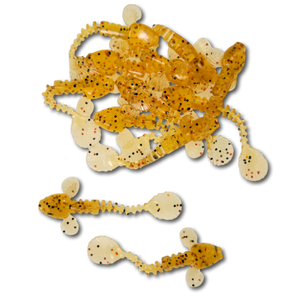
Walleye
Walleye reward control: speed discipline, bottom contact, and a presentation that stays “easy to eat.” Whether you’re dragging transitions, slow-rolling edges, or hovering over fish, the best walleye days come from managing depth + pace more than constantly changing baits.Best forWalleye and sauger, with plenty of perch and bass crossover.Core ideaMaintain bottom awareness — feel, tick, glide, repeat.Where it shinesPoints, humps, breaklines, sand/rock transitions, current seams.Confidence moveWhen bites fade, slow down first — then go smaller.
Walleye cheat code: If you lose bottom contact, you’re usually out of the zone. Adjust weight before you adjust color.
Field guide: walleye
Contact. Control. Edges.▾ Click to open
Field guide: walleye
Contact. Control. Edges.
Finding fish: transitions win
Where to start when the lake feels huge.
- Start on edges: sand/rock, mud/rock, weedline-to-hard-bottom, and inside turns.
- On lakes with current, focus on seams and “easy travel lanes.”
- If you’re marking bait, fish the nearest hard break — walleyes love the shortcut.
Speed discipline
How to stop running past bites.
- Walleye bite windows often live at “just slow enough.”
- When fish are neutral, add glide time: slower drag, longer pause, softer hops.
- When fish are active, speed up to trigger — but keep it controlled.
Best presentations
A small rotation that covers most scenarios.
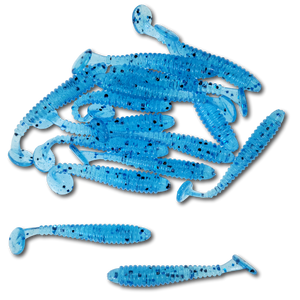
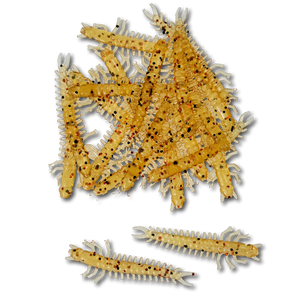
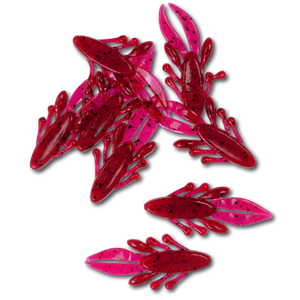
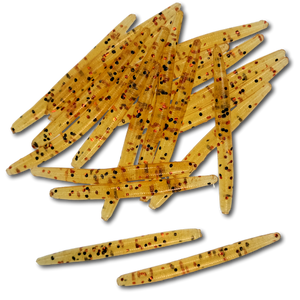
- Jig + soft plastic: the all-around — hop, drag, or glide on transitions.
- Bottom drag: keep it ticking — not plowing — along the break.
- Vertical: when fish stack tight to a spot; hold it there and let them commit.
- Slow swim: just off bottom for roaming fish on flats.
Contact without snagging
The “tick” you want vs the hang-up you don’t.
- Think tick-tick-glide, not constant grind.
- If you’re snagging, reduce hop height and drag more.
- In rock, lighter hops and controlled slack keep you free.
Color & visibility
Natural first. Contrast when needed.
- Clear water: natural baitfish and subtle translucents.
- Stained: stronger silhouette or a visibility accent.
- Night/low light: darker often reads “clearer” than bright.
Walleye FAQ
Common fixes for common problems.
- Marking fish, no bites? Slow down and add pause time; keep it near bottom.
- Snagging too much? Slightly lighter head + more drag, less hop.
- Short strikes? Downsize or switch to a slower fall profile.